The Future of Work: Why Scalable AI Systems Are the Next Competitive Edge
The competitive edge isn't having AI — it's having AI that scales. What separates a clever prototype from a system you can bet the business on.
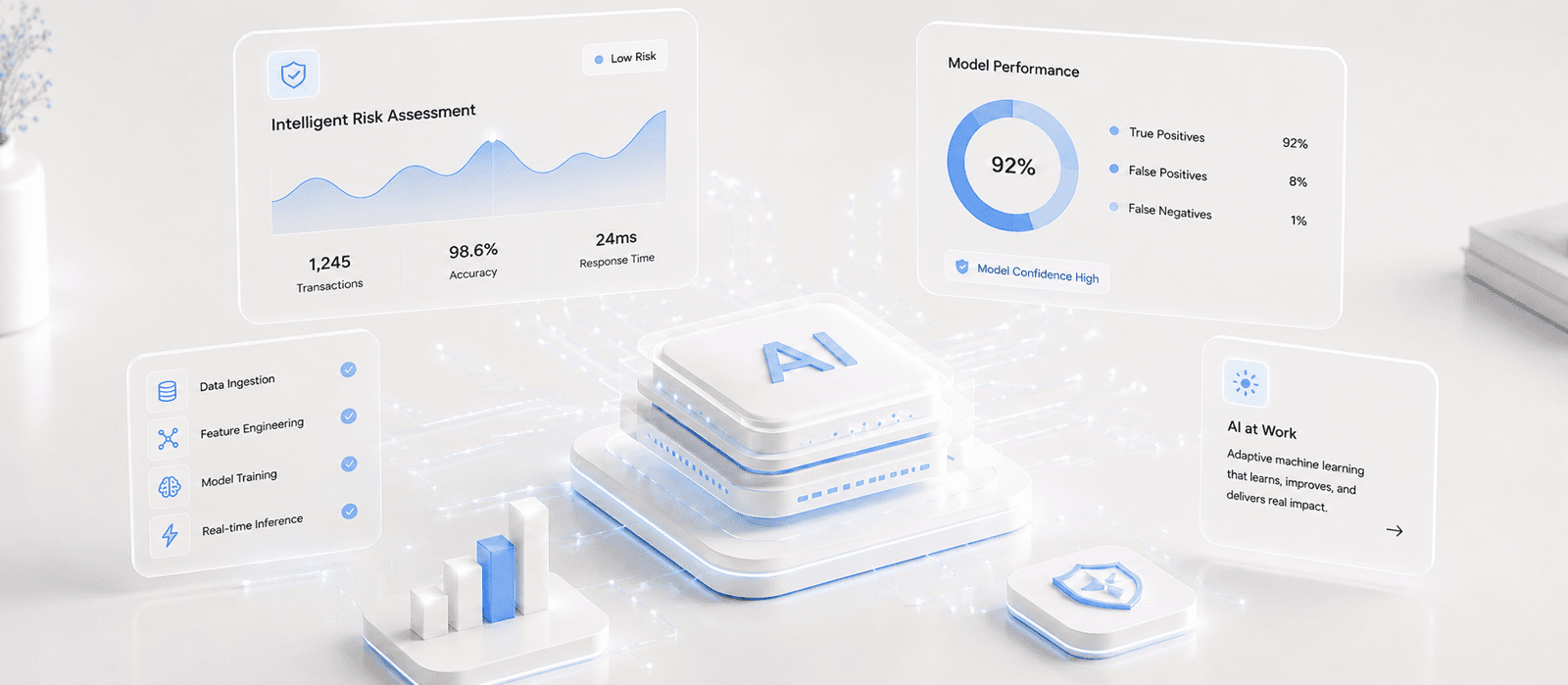
Building a clever AI demo has never been easier. Building an AI system that stays accurate, affordable, and reliable as usage grows is still hard — and that gap is exactly where competitive advantage now lives.
Prototype vs. system
A prototype proves an idea can work once. A system proves it works every time, for every user, at a cost you can predict. The move from one to the other is where most AI initiatives stall — not because the model isn't good enough, but because no one designed for scale, evaluation, or cost.
What scalable AI actually requires
- A cost-per-request model you understand at 1x, 10x, and 100x traffic
- Evaluation suites that catch regressions before users do
- Guardrails and human review where mistakes are expensive
- Observability — tracing, logging, and monitoring — as a first-class concern
- Architecture that lets you swap models and vendors without a rewrite
The edge is operational, not just technical
The companies pulling ahead treat AI like infrastructure: measured, monitored, and improved continuously. They know what each request costs, they can prove their system's behaviour, and they can adapt as models change month to month. That operational discipline — not access to any single model — is the durable advantage.
The future of work isn't humans versus AI. It's teams equipped with AI systems that are dependable enough to trust with real work — and the organisations that build those systems well will move faster than the ones still stuck at the demo.
Building something with AI?
Talk to a senior engineer about your project — no sales layer, just a clear conversation.